
Christmas Breaks in Cornwall: Cosy Cottages Still Available to Book
Still dreaming of a Cornish Christmas, but haven’t had the chance to book? There are still plenty of Christmas...





by Victoria Rogers / News
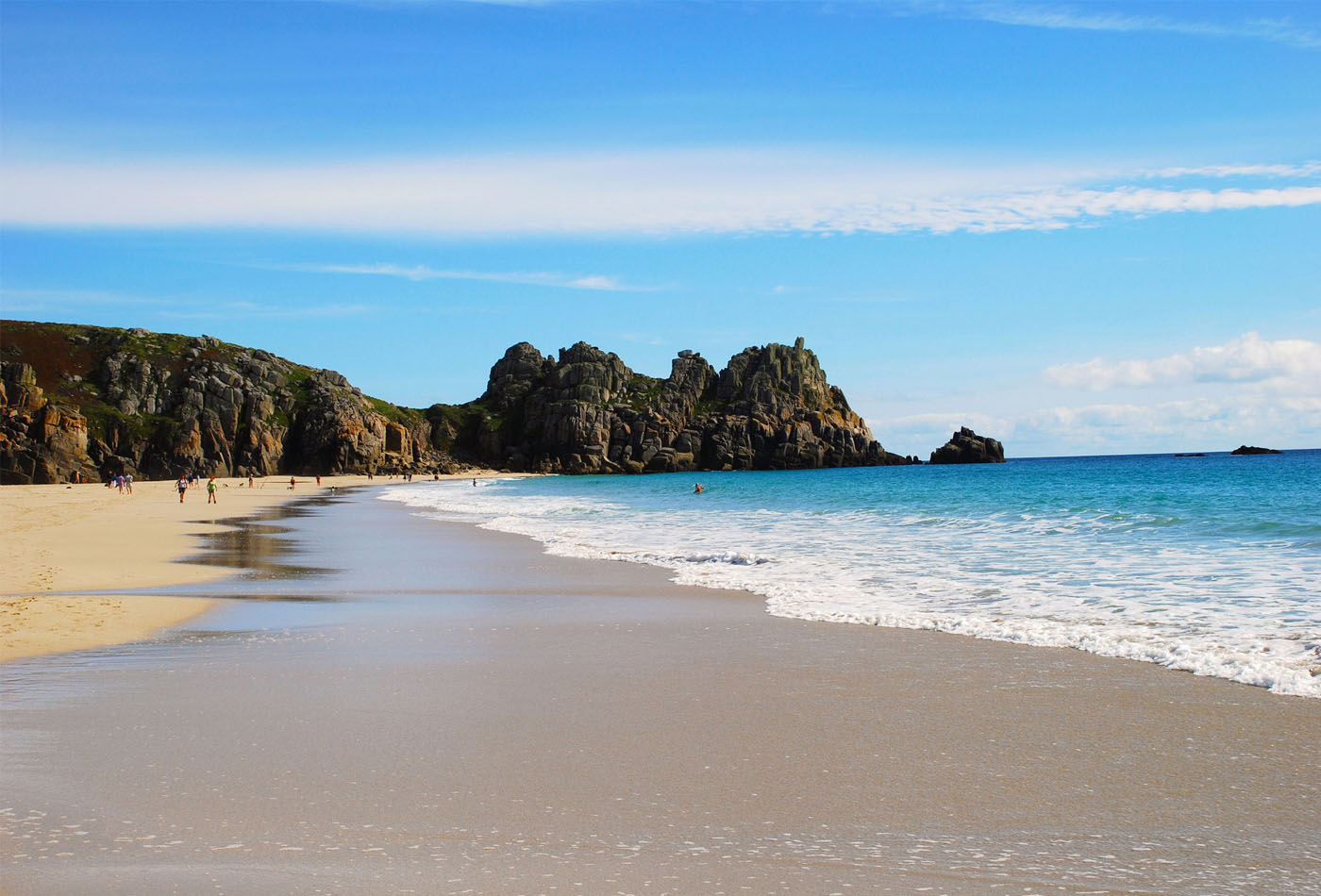
Cornwall is special for many reasons, not least its two very different stretches of coastline. To the south, visitors can enjoy calm, sheltered waters swirling off the English Channel, whilst to the north things are far more dramatic. Expect rugged scenery, imposing cliffs and swells off the Atlantic Ocean, just waiting to be surfed! Both are equally special and scenic but offer unique experiences.
We at Cornish Cottage Holidays know and love all stretches of the Cornish coastline. Here, we explore whether South Cornwall or North Cornwall is the best option for your next holiday.
Use the quick links below, or read on for our full comparison of North Cornwall vs South Cornwall.
The coastlines in North and South Cornwall are in many ways unique. Choosing the best option for your holiday destination will ultimately depend on your preferred holiday style.
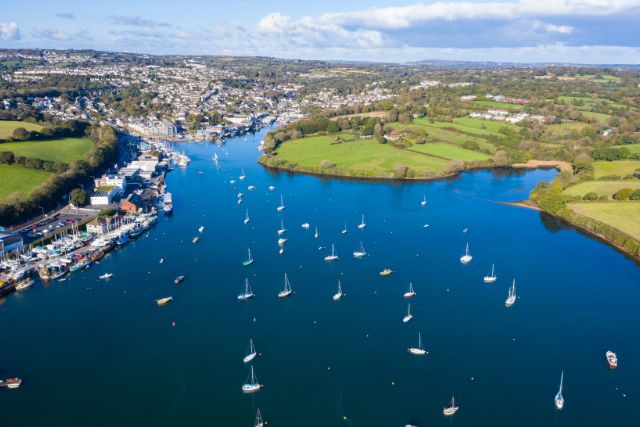
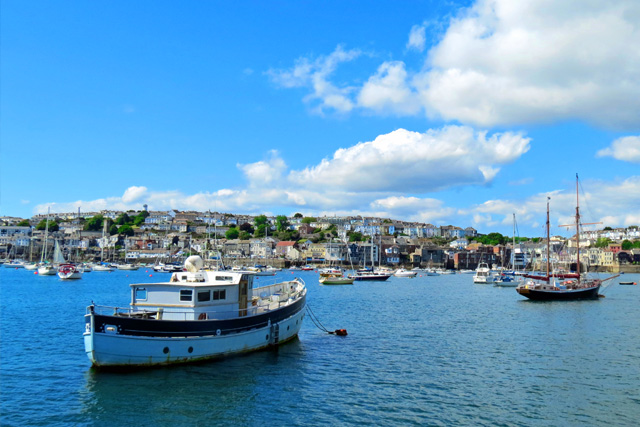
The south coast of Cornwall is home to numerous sandy coves, found down quiet country lanes. Expect pretty inlets, surrounded by tranquil countryside. Swimming is safe as the waves lap in on the more ‘sheltered’ side of the county, straight from the English Channel.
Calmer coves include those found around Falmouth, Fowey and The Lizard. Life feels slower paced here; visitors can spend quiet days hunting for sea glass at Kynance Cove or relaxing in one of the fishing harbours like St Mawes or Mevagissey, watching life on the water.
Fancy getting on the water yourself? A great way to experience some of the coast is by kayak. There are ample opportunities to hire equipment – for example, you can explore the Helford River with a peaceful paddle along its banks. Start searching for your South Cornwall Cottage today.
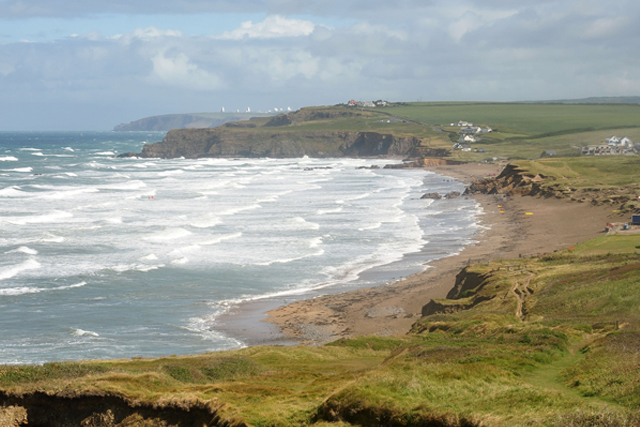
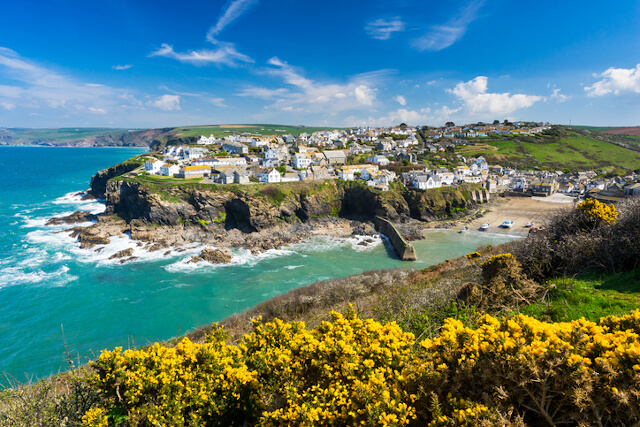
By contrast, the North Cornwall coastline is a mecca for surfing and watersports enthusiasts. Waves rolling in off the Atlantic offer thrill seekers the perfect opportunity to hone their skills. On this side of the county, visitors are more likely to find longer expanses of sand and far more commanding scenery – for instance, Polzeath and Daymer Bay offer space and atmosphere in abundance.
Walks along the South West Coast Path can be challenging and exhilarating in equal measure – ideal for those with dogs. For families, there are a host of bigger energetic seaside towns well connected via the ‘Atlantic Highway’. These include firm favourites like Bude, Watergate Bay and Padstow… perfect for a local ice cream or fish and chips!
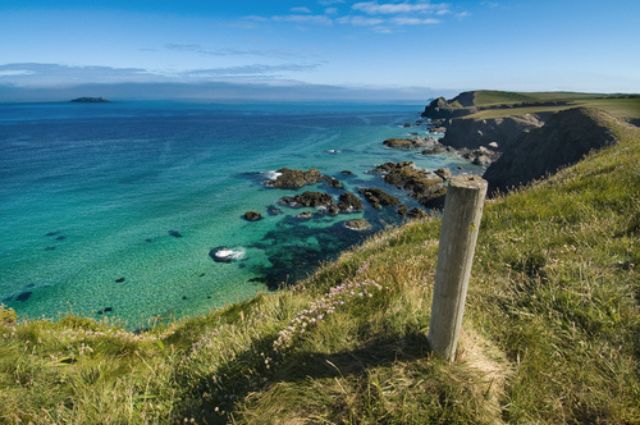
What’s more, the collection of North Cornwall cottages available is outstanding. The best part is – the North and South coastlines aren’t far apart. This means you can enjoy visits to both coastlines in the same holiday, or even in the same day if desired!
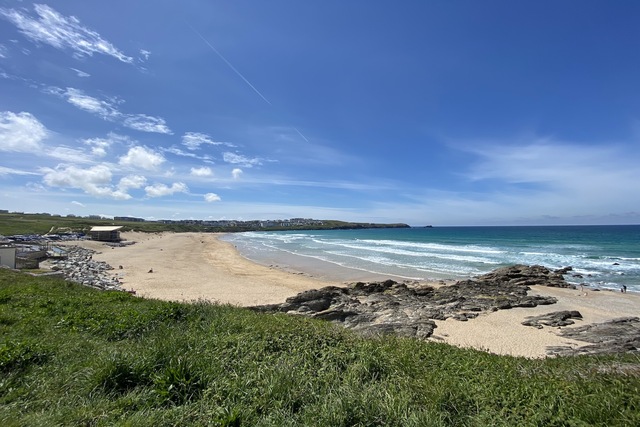
North Cornwall’s beaches are exceptionally well known. For example, Newquay’s Fistral Beach is one of the most famed hot spots for surfers in the country. Likewise, the breathtakingly beautiful spots like St Ives, Polzeath and Daymer Bay are unmissable.
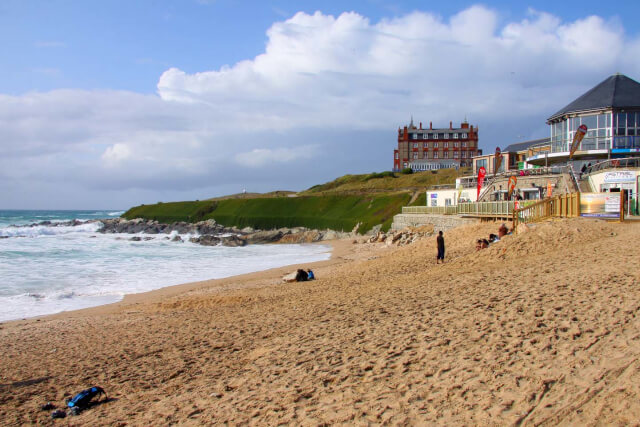
The sheer size of many of these stretches of sand and pebbles means that even during the busy summer months they still feel spacious. The dramatic cliffs that surround the beaches also add to the impressive landscape. Whilst the waves are strong here, enabling great surfing, visitors swimming in the sea should be mindful of the strong rip tides, which can be dangerous.
By contrast, South Cornwall’s beaches boast calmer waters, much more suited to families looking for a traditional seaside holiday. The coves here are sheltered and the water is often turquoise. Whilst the surfing opportunities are fewer given the calmer sea, it is much safer for swimmers looking to take a dip.
It depends very much on the age of the children in the family, and what they are looking for from the holiday.
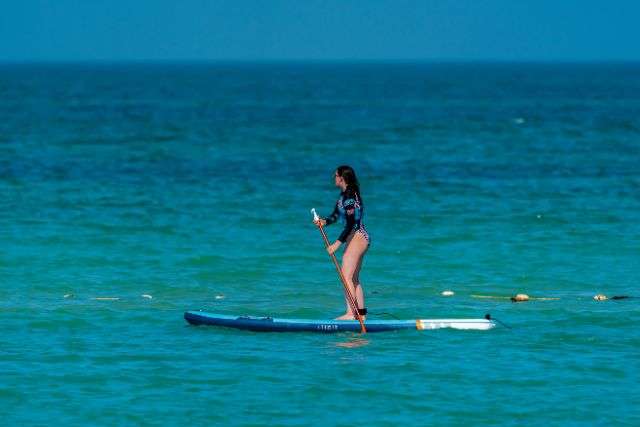
Younger children wanting to build sandcastles on the beach, try their hand at paddleboarding, or simply splash in the shallows would arguably enjoy a visit to the beaches on the South side of the county. Falmouth, Fowey and Kynance Cove are all popular options, although there are countless smaller beaches that make south Cornwall perfect for families.
For older children looking to enjoy watersports opportunities, or to challenge themselves with tough coastal walks, North Cornwall might be a better option.
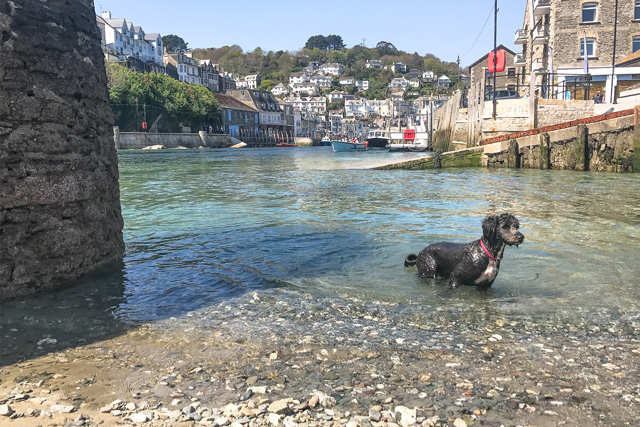
Given the massive expanses of sand at low tide on some of North Cornwall’s beaches, this area lends itself to dogs with lots of energy to burn. Places like Fistral Beach are dog-friendly year round, and offer the ideal place for dogs to explore.
For dogs that prefer quieter environments, calm paddling waters or gentler walking terrain, the South coast provides a delightful option. Many of these coves have beachside facilities that welcome dogs, meaning everyone can enjoy refreshments with views out to sea. For example, Café Mylor in Falmouth is dog friendly and boasts a panoramic view of Mylor Yacht Harbour – best appreciated over a traditional Cornish Cream Tea!
Be aware, there are seasonal dog restrictions on some beaches in Cornwall.
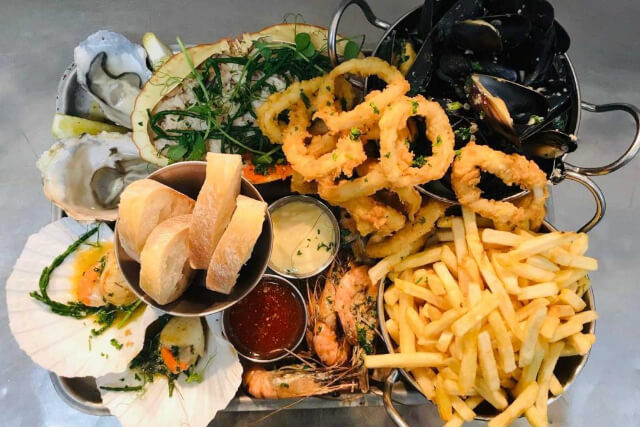
Cornwall is renowned as being a top foodie destination in the country. A host of celebrity chefs have restaurants here, whilst the local produce is second to none. In fact, in the 2025 Sykes Staycation Index, in the list of top 10 foodie towns Brits most want to visit, the top three spots were dominated by Cornish destinations. They were:
1. St Ives
2. Padstow
3. Falmouth
So, for foodies, which is better, North or South Cornwall? One of the biggest food destinations in the county has to be the northern town of Padstow. Home to no less than four Rick Stein establishments, ranging from Stein’s Fish & Chips to The Seafood Restaurant, Rick Stein’s Café and Ruby’s Bar, this is a must visit town for lovers of fish cooked to perfection.
Similarly, Nathan Outlaw has a number of eateries in Port Isaac, including The Fish Kitchen and Outlaw’s New Road. Both of these restaurants offer delicious, freshly landed fish and shellfish, caught using low impact fishing methods. Ideal for adults and older children, no babies or under 10s are permitted.
Away from the celebrity chef scene, there are a wealth of popular surf cafés and eateries overlooking the Atlantic.
The south coast of Cornwall is more focused on local produce, with traditional fishing villages dotted along the coastline like Fowey and Mevagissey. Diners here can enjoy quieter, cosy dining experiences. For an unmissable event, Porthleven is home to an annual celebration of Cornish food, with its popular food festival taking place each April.
Both North and South Cornwall are fabulous destinations in their own right, so choosing which to visit is entirely dependent on the style of holiday you desire, and the people joining you.
We would suggest choosing North Cornwall for a more action-packed adventure with older children – or for foodies wanting to sample the celebrity chef scene. Pick South Cornwall for a more peaceful holiday, with younger children who want a traditional seaside experience.
The alternative option is to choose accommodation somewhere between the two coastlines and journey the short distance in either direction, to experience all the coasts have to offer. Places like Helston, Truro and Bodmin are well located for exploring the whole of the county’s offerings!
Can’t make your mind up? Why not peruse all of our Cornwall cottages? With dog-friendly and family-friendly options, we have holiday homes in both the North and South, to suit all party sizes. From large groups to couples retreats, we’ve got you covered. And if you are looking for a last minute beach cottage for a short break, we can do that too!
When it comes to peace and quiet, South Cornwall is generally the calmer of the two coasts. Its sheltered coves, wooded estuaries and smaller harbour towns – such as Fowey, Mevagissey and areas along the Helford and Fal – tend to offer a slower, more tranquil atmosphere. The north coast, by contrast, attracts more visitors thanks to its surf beaches, dramatic Atlantic scenery and popular destinations like Newquay, Polzeath and St Ives, all of which experience heavy footfall in peak months. While both coasts have quiet pockets, travellers typically find South Cornwall the more consistently peaceful choice.
Cornwall’s beauty varies by coast, but each side offers its own distinct charm. The north coast is often seen as the most dramatic, with rugged cliffs, sweeping Atlantic views and wild beaches. Bedruthan Steps and the stretches between Bude and Port Isaac are celebrated for their striking, untamed scenery. In contrast, the south coast is known for its gentler, more picturesque landscapes, with sheltered coves, tree-lined estuaries and pretty harbour towns like Fowey, the Helford River and the Roseland Peninsula. Ultimately, the “prettier” side depends on preference: rugged drama in the north or soft, scenic tranquillity in the south.
Cornwall is mild overall, but the south coast consistently has the best weather. Thanks to the warming influence of the Gulf Stream and the shelter of the English Channel, areas such as Falmouth, the Roseland Peninsula and the Lizard experience warmer temperatures and more sunshine than the north coast. The north, facing the Atlantic, is typically cooler, windier and more exposed, which can make conditions feel less settled. While both coasts enjoy Cornwall’s famously mild climate, the south is generally the warmest and most stable choice for sunnier, more sheltered holidays.
North Cornwall offers some of the most dramatic stretches of the South West Coast Path, with rugged cliffs, steep ascents and expansive Atlantic views creating a wild and exhilarating walking experience. It’s known for its exposed paths and challenging gradients, making it especially appealing to those seeking dramatic scenery and a more strenuous coastal hike. In contrast, South Cornwall provides a gentler alternative, with calmer routes that follow rivers, woodland sections and estuary trails around areas such as Fowey, Helford and the Fal. These paths are generally more sheltered and easier underfoot, offering a more relaxed walking experience with softer landscapes and steady gradients.
by Victoria Rogers / News

My name is Victoria Rogers, and I'm a PR Executive for the Sykes Cottages South West regional brands. Born and bred in Devon, I ha...
Read More About Author
Sign up to receive exclusive offers, competitions and the latest news to your inbox, and you'll be entered into our monthly prize-draw 3 times!

Still dreaming of a Cornish Christmas, but haven’t had the chance to book? There are still plenty of Christmas...
From bustling farmers markets to quirky vintage fairs and seaside craft stalls, there’s no better way to experience the...
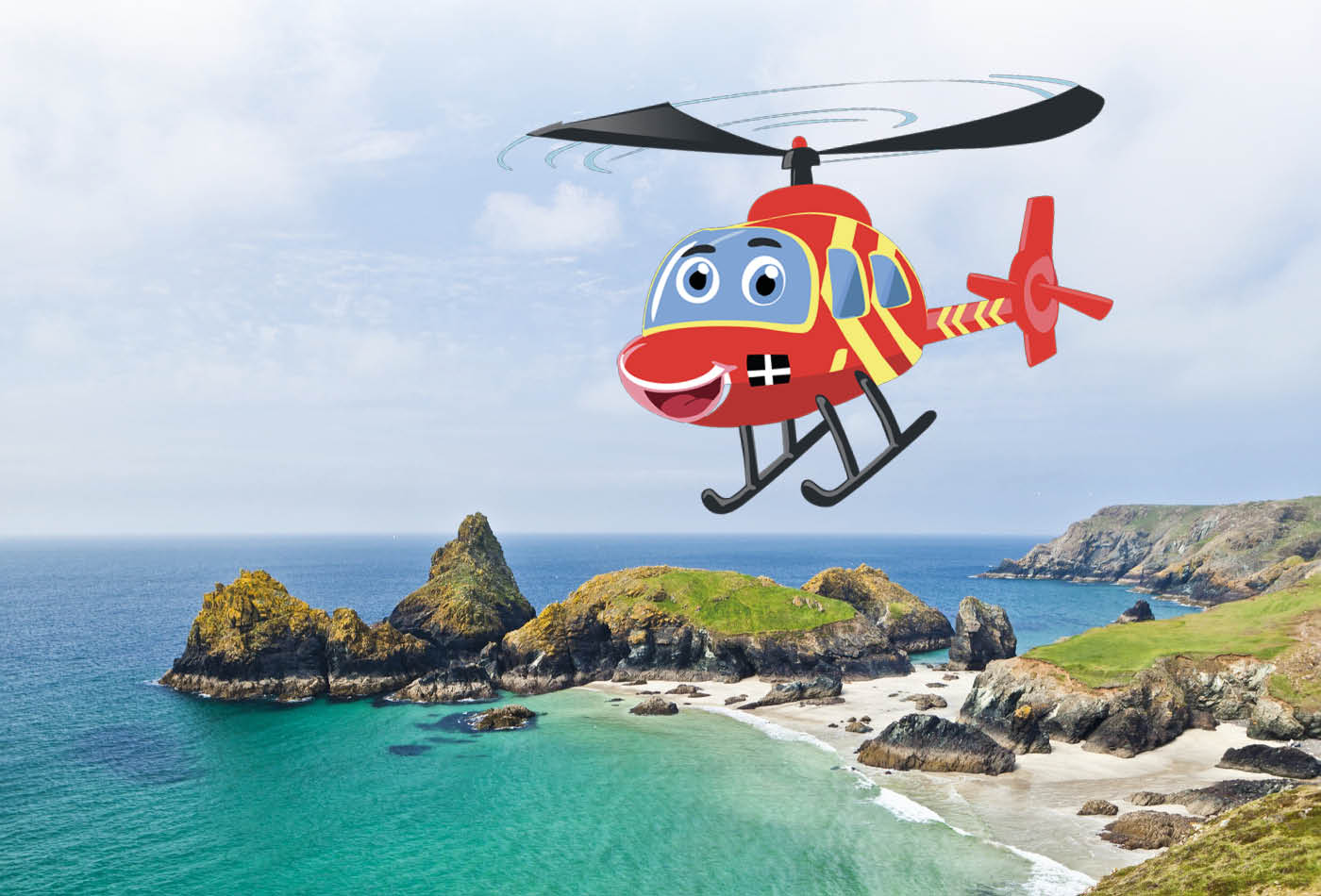
This year, we at Cornish Cottage Holidays are proud to be raising money for Cornwall Air Ambulance Trust –...

