
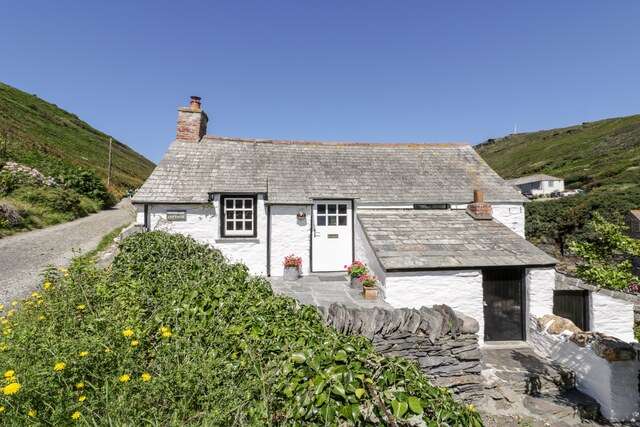
Cornish Cottage Holidays Discount Codes – Latest March 2026 Offers!
Discover all of the latest Cornish Cottage Holidays discount codes, voucher codes and offers for 2026 right here! Ideally...





by Justine King / Travel Tips
As a destination that can be enjoyed all year round, you might be wondering when the best time to visit Cornwall is. With every season offering something different, the answer really depends on what you want from your trip.
According to the Sykes Staycation Index 2025, Cornwall is still one of the most popular travel destinations. It offers everything from sandy beaches and turquoise coves to surfing hotspots, cosy harbour towns, and dramatic cliff scenery.
Check out our guide as we explore Cornwall through the seasons so you can choose the perfect time for your Cornwall adventure.
Use the quick links below to jump through the article, or read on for our comprehensive guide on the best time to visit Cornwall:
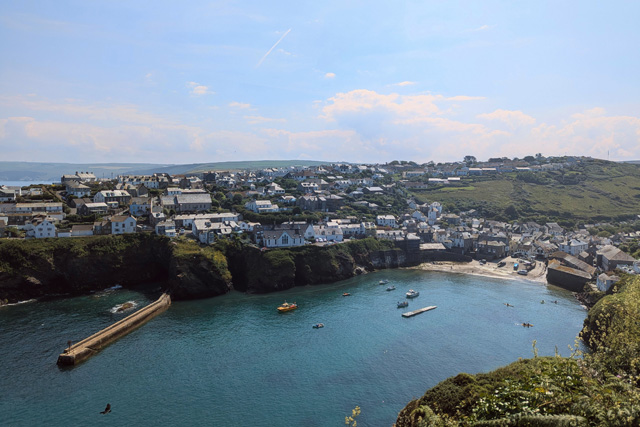
There’s no single answer to the question “When is the best time to visit Cornwall?” because it truly depends on the kind of holiday you’re planning. And that’s exactly what makes Cornwall such a brilliant year-round destination.
With its dramatic coastline, golden beaches, surf spots, vibrant towns, historic villages and miles of scenic countryside, Cornwall has something for every type of traveller. Each element of the landscape brings a different charm with each season.
Cornwall’s coastal position also means the climate stays relatively mild throughout the year: winters are milder than much of the UK, and summers are pleasantly warm without being stifling. There’s also a growing trend for shorter UK getaways, many of which are now six days or less, according to the Staycation Index; Cornwall’s compact size and variety make it perfect for both quick escapes and longer adventures.

Cornwall’s weather in spring
Spring often brings noticeable rises in temperatures, with averages sitting around 8 to 10 degrees Celsius in March and 13 to 15 degrees Celsius by May. Plus, rainfall tends to gradually decrease, making days feel crisp and fresh.
Why visit Cornwall in spring?
If you like travelling when there are fewer crowds and the flora is starting to really bloom with a variety of colours, then spring in Cornwall will definitely appeal to you. Accommodation costs tend to be more affordable than during peak times, and there are plenty of things to do, like walking the grounds and gardens of National Trust properties like Lanhydrock, Glendurgan, and Trengwainton.
Things to do in Cornwall in spring:
Spring is ideal for: Couples, walkers, nature and photography lovers, pet-owners (calmer beaches/paths).
Cornwall’s weather in summer
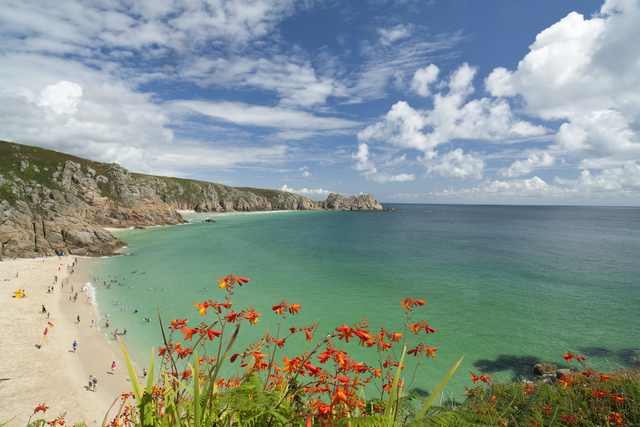
Summer is when Cornwall truly comes alive, with average temperatures sitting around 18 to 19 degrees Celsius and long, sun-filled days giving you plenty of time to explore. The sea is at its warmest during these months too, making it the perfect season for swimming, surfing and beach days.
Why visit Cornwall in summer?
If you want the classic Cornish holiday experience, with sandy toes, ice creams on the beach, and lively seaside towns, then summer is the ideal time to visit. It’s the season when everything is open, from surf schools to boat trips, and when coastal villages are truly buzzing with energy. You’ll find the widest choice of activities and events, especially for families, though prices and crowds do peak during school holidays, so it’s best to book early.
Things to do in Cornwall in summer:
Summer is ideal for: Families, beach-lovers, surfers, friend groups, and anyone chasing sunshine, sea and long summer evenings.

Cornwall’s weather in autumn
Autumn in Cornwall offers a gentler pace, with temperatures gradually cooling from around 17–18°C in September to 12–14°C by November. The sea often remains pleasantly warm at the start of the season, and the coastline transforms with golden light, dramatic sunsets and crisp sea air. While showers become more frequent later in the season, there are still plenty of bright, calm days to enjoy.
Why visit Cornwall in autumn?
If you love the idea of quieter beaches, cosy pubs and scenic walks without the summer bustle, autumn is the perfect time to visit Cornwall. Accommodation is easier to find and more budget-friendly, and the landscape is at its most atmospheric—ideal for photographers and nature enthusiasts. Food festivals and harvest celebrations also make this a great season for exploring Cornwall’s culinary scene.
Things to do in Cornwall in autumn:
Autumn is ideal for: Couples, solo travellers, walkers, photographers, food-lovers, and anyone wanting a slower, more relaxed escape.

Cornwall’s weather in winter
Winter in Cornwall is cooler and more dramatic, with average daytime temperatures typically sitting around 7–10°C. Stormy seas, crashing waves and moody skies create a striking coastal backdrop, while crisp, bright days aren’t unusual. It’s also the quietest time of year, perfect for a peaceful escape wrapped in Cornwall’s rugged beauty.
Why visit Cornwall in winter?
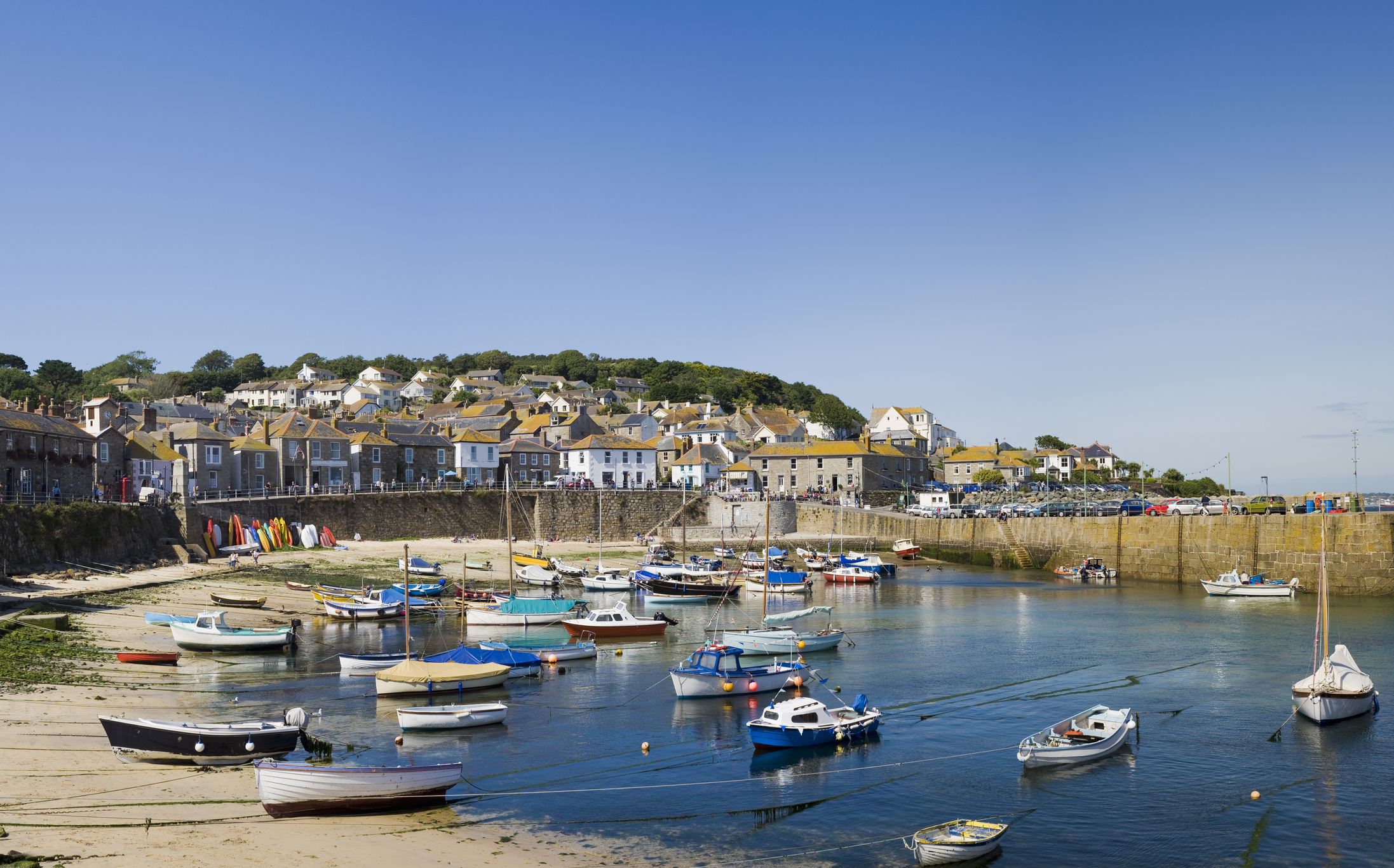
If you love cosy breaks and want to truly slow down, winter is a wonderful time to discover Cornwall. Accommodation prices are at their lowest, attractions are quieter, and you can explore charming harbour towns without the hustle of summer crowds. Winter is also full of seasonal magic, from festive lights in Mousehole to warming pub lunches after windswept coastal walks.
Things to do in Cornwall in winter:
Winter is ideal for: Couples, budget-conscious travellers, dog-owners, relaxation seekers, and anyone who enjoys a quieter pace and dramatic coastal scenery.

If you want to know the best time to visit Cornwall, here are our personal recommendations for the months we think really shine.
If you ask anyone who lives in Cornwall, they’ll tell you that May is one of the most magical months. The hedgerows are bursting with wildflowers, the coast paths are alive with colour, and the sun starts to feel properly warm again, without the rush of summer crowds.
Beaches are blissfully peaceful, so you can enjoy early-season dips and long shoreline strolls with plenty of space to yourself. It’s also a brilliant time for hiking, whether you’re tracing the South West Coast Path or wandering the countryside before everything gets busy.
Cornwall really comes alive in the summer months. As locals, we know that July and August bring energy like no other. You’ll find plenty of surfboards stacked on the sands, music drifting from beachside cafes and annual music festivals, fishing villages buzzing with families, and long summer evenings that seem to go on forever.
So, for anyone looking for the classic Cornish experience, July and August are unbeatable. Just be ready for busy roads and popular tourist hotspots, but we reckon that’s all part of the fun.

Come September, those golden summer days linger — but the chaos fades. The sea is often at its warmest, perfect for swims without the shivers, and the weather remains kind enough to enjoy long days outdoors.
As kids go back to school, beaches and attractions become calmer, giving you that relaxed, “locals have their home back” vibe. It’s one of our best-kept secrets: you still get the sunshine and sea swims, but with easier restaurant bookings, quieter coastal paths and a more laid-back pace. If you want the best of both worlds, this is the month we’d pick.
By October, Cornwall settles into its cosy autumn rhythm. The air is crisp, sunsets are spectacular, and the coast is alive with drama, roaring waves and sweeping sea views without another soul in sight.
It’s a wonderful time for unrushed walks, lingering pub lunches by a fire, and cottage stays that feel extra special when the wind ruffles the windows. You get to see Cornwall the way locals do: peaceful, atmospheric, and pretty. So, if you’re craving a restorative break rather than a packed itinerary, October is a dream.
Ultimately, the “best month” to visit Cornwall depends on what you want out of your holiday. Whether it’s action-packed adventure, the best possible weather, relaxation or solitude, there is a Cornwall holiday to suit you. Making the most of short breaks at different times of the year can help you decide which month you like best.

Check out these 5 annual events in Cornwall so you can plan your trip around them:
Held at Newquay’s Fistral Beach and Watergate Bay every August, Boardmasters blends world-class surf and skate competitions with a multi-stage music festival. It’s no surprise that this coastal knees-up attracts tens of thousands of visitors each year.
View this post on Instagram
Located on the Camel Estuary near Wadebridge, Rock Oyster Festival is an annual summer event that pairs live music with standout culinary experiences, from local artisan fare to chef demos and seafood tastings. This event is a top pick for those who love a blend of good food, good music and relaxed Cornish atmosphere.
View this post on Instagram
This three-day seaside festival set in Porthleven harbour turns the town into a foodie paradise. Stalls offer street food, Cornish cakes, grills, local ales and international cuisine, all backed by live music and chef demonstrations. It’s a chance to taste local Cornish produce and global flavours while soaking up the atmosphere of a buzzing harbour town.
View this post on Instagram
Held at the iconic biomes of the Eden Project near St Austell, Eden Sessions hosts live concerts from major artists in a uniquely tropical, rainforest-like setting, a truly distinctive venue for summer music nights. The combination of lush surroundings, warm evenings and quality music creates a magical, memorable experience that stands out among Cornwall’s summer events.
View this post on Instagram
Falmouth Week is a lively 10-day celebration centred around sailing, regattas and harbour-side fun, with a festive atmosphere that brings together locals and visitors for races, music, food and coastal celebration. It’s a great chance to enjoy Cornwall’s maritime heritage, take part in or watch sailing events, and soak up the summer vibes of one of the county’s most picturesque harbour towns.
Looking for more events during your stay in Cornwall? Read our What’s on in Cornwall guide.

With 43% of holidaymakers choosing to stay closer to home, Cornwall is the perfect place to go. Here are a few insider tips to make the most out of your Cornwall break.
Whether you’re planning a sun-soaked family escape in August or a peaceful winter retreat wrapped in sea air and coastal charm, Cornish Cottage Holidays has the perfect base for your stay. From spacious homes for group getaways, to snug seaside boltholes designed for slow mornings and windswept walks, there’s something to suit every season.
If you’re travelling with four-legged companions, you’ll find plenty of dog-friendly cottages close to Cornwall’s best beaches and coast paths. Prefer a little luxury? Choose from properties with crackling wood-burners, expansive gardens, hot tubs, or sweeping sea views — ideal for watching the sun set after a day of adventure.
Whenever you decide to visit, Cornish Cottage Holidays helps you experience the very best of Cornwall, all year round.
It depends on what you want. For warm weather and beaches, July or August are the best months. For milder weather and fewer crowds, both May and September are excellent choices.
Nowhere in the UK is particularly warm in winter; however, Cornwall does enjoy a slightly milder maritime climate with winter temperatures averaging around 5–9 °C. Sea temperatures are typically too cold for casual swimming without a wetsuit, unless you’re used to some cold water swimming.
Absolutely! Shorter stays are rising in 2025, and Cornwall is compact enough that even a 4–5 day trip can offer beaches, coast-path walks, historic towns and good food.
Sea temperatures are at their warmest around July–August (circa 16–18 °C). Early autumn can also offer decent water temps with fewer crowds, though wetsuits may still be needed.
by Justine King / Travel Tips

I’m Justine, a Freelance Travel Writer with over 4 years’ experience writing about UK travel. I’ve lived in the South West f...
Read More About Author
Sign up to receive exclusive offers, competitions and the latest news to your inbox, and you'll be entered into our monthly prize-draw 3 times!

Discover all of the latest Cornish Cottage Holidays discount codes, voucher codes and offers for 2026 right here! Ideally...

