
Buying a Holiday Let in Cornwall: Our Guide
Our property expert for Cornish Cottage Holidays, Jonathan Steers, shares his many years of expertise and knowledge about buying...






by Janine de Lange / Owner
Letting a holiday home can be a profitable and rewarding venture, but to make it successful, you need to consider the costs of running a holiday let.
Here we cover everything you need to know, from initial setup costs to the ongoing holiday let expenses you need to factor in. We’ll provide you with the information needed to draw up a budget and work out your holiday let running costs, to ensure your property can pay for itself and get you the best possible return.
Read our complete blog for what holiday let costs to expect when running your business or use the quick links below to find out about a particular topic:

When it comes to costs, letting a property on a short-term basis has some unique differences to letting a domestic property.
Beyond the purchase price of your property, there are several additional expenses unique to buying a holiday let. Some of these are key to ensuring your property meets the necessary holiday let rules. To help you budget for this, we’ve provided some detail on the additional setup costs you might experience.
Purchasing a property is, of course, the biggest cost of running a holiday let. Whether you have the upfront funds or require a mortgage, the initial capital outlay will likely be your largest expense.
If you are opting for the lending route, there are specialist mortgages available to holiday let purchasers. The mortgage required for a property rented on a short-term basis to holiday guests is different to that of a private use second home.
While holiday let mortgage interest rates can be slightly higher than for a residential or long-term let mortgage, the biggest difference is in the deposit required.
Lenders often ask for a 25% deposit of the value of the loan on a holiday let mortgage. For an in-depth look at whether you’ll need a specialised mortgage for your holiday let, read our article on financing a holiday home.

Planning permission is generally not required when purchasing and running an existing holiday let. It may, however, be applicable if you’re starting a new business, converting or extending your property. If so, you will need to think about the cost of the works involved, as well as the planning permission fees.
Planning application fees vary depending on the type of application, the size of the project and where the property is located in the UK. In England, the fee for a householder planning application is £528 as of May 2026, while change of use applications are typically higher. Fees differ in Scotland, Wales and Northern Ireland, so it’s best to check with the relevant local planning authority.
Visit the planning portal to find out whether you’ll need an application and the UK government website to find what fee you could expect to pay.

If you’re building, converting or extending a property as a holiday let, you’ll need to consider the cost of architectural services. This will vary greatly depending on the scale of your project, so we recommend discussing your needs with an architectural firm.
Based in Redruth, Cornish architects Lacaze are a great option for designing your holiday home. Whether you are looking for something ultra-contemporary or sympathetic and in keeping, this small firm would be delighted to offer their assistance, helping you bring your dream holiday home to life. Visit their website to get in touch about your project and book a free initial consultation.
Unless you’re a first-time buyer, purchasing any residential property in England and Northern Ireland worth more than £125,000 is subject to Stamp Duty Land Tax (SDLT). The charge works on a tiered basis and increases in relation to the value of the property.
If your property is in addition to your main residence, be it a second home, holiday let, or buy to let, there is an extra charge. This is known as Higher Rates for Additional Dwellings (HRAD) and is paid on top of the standard Stamp Duty rates.
For detailed information and current Stamp Duty rates, read our full guide to holiday let tax. Use the HMRC Stamp Duty Land Tax calculator to find out how much tax you can expect to pay on a property.

Furnishing your holiday let to a high standard will ensure your property is fit for purpose and more appealing to potential guests. Not only does it make it stand out from competition, but it will leave a lasting impression on visitors and hopefully result in repeat bookings. Read our top tips for holiday home interior design for more advice on making your accommodation a trendy and welcoming space for guests.
When considering your budget and how you’ll furnish and decorate your property, consider allocating funds for luxury features. While it may cost more initially, these additional features are extremely popular and likely to earn you more revenue.
Our figures show that properties with a hot tub, on average, earn 40% more revenue annually than those without – although there are holiday let regulations to be mindful of.
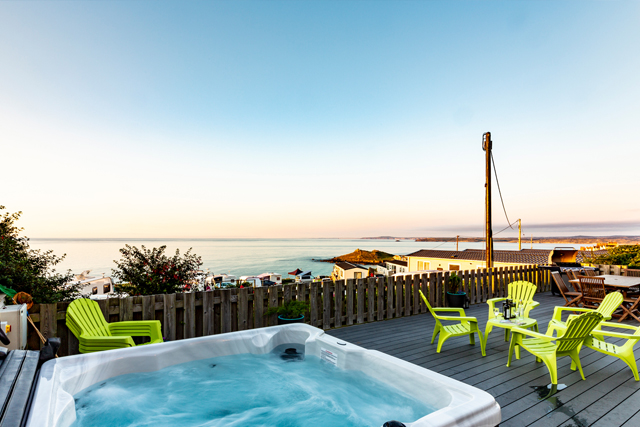
Boscarne, St Ives
Likewise, adding sustainable features is a simple way to boost your property’s appeal while keeping running costs down. More guests are actively choosing eco friendly stays, and EV charge points are now one of the most sought after additions. With only 6% of our portfolio offering chargers, installing one is a brilliant opportunity to set your property apart and attract more future focused travellers. This is definitely a cost worth considering when working out your holiday letting budget.
It is important to work out the cost of running a holiday let, so you can draw up a budget and calculate your finances. The busier you are, the higher the overheads, but this will be offset against the additional income from more bookings.
Here we highlight some of the most common costs you will need to consider on a weekly basis:
First impressions count when it comes to holiday letting, so ensuring your property is well presented and immaculately clean for guests is essential. After each booking, your holiday let will need to be thoroughly cleaned and all linen laundered. These changeovers may take some time and effort to do in between each booking.
Holiday let changeover costs will be an important expense to factor in, whether you opt for a cleaning company or use services arranged by a holiday letting agency like Cornish Cottage Holidays. While it may be an additional expense, hiring professionals to help could make all the difference to a successful holiday let business. After all, they are experts and will ensure your property is perfect for every guest that arrives.

Providing a welcome pack is an additional touch appreciated by guests, and can be tailored to suit any budget. A great starting point is providing essentials like milk, bread, tea, coffee and preserves. You could also choose to provide a small hamper of delicious local goodies. If you’re pet-friendly, a few extras to make four-legged guests feel at home will always be well received – for more advice on making your holiday let dog-friendly, read this guide.
Another essential to welcome your guests and help them settle in is to provide a comprehensive guest information folder. Read our blog about holiday home welcome packs for tips.

As with any property, running a holiday let requires ongoing work to keep things looking good. To keep your accommodation in tip-top shape, you’ll need to consider ongoing weekly costs such as a professional garden service, or a handyman service who can do necessary maintenance and repairs.
Enlisting the help of a professional agency like Cornish Cottage Holidays to manage your holiday let will make your life easier. Working directly with our suppliers, our team can organise and conduct a range of maintenance services. From changeovers to property checks through the winter, our Managed Services team are here to help.

There are a range of ongoing monthly costs of running a holiday let. Whether they are fixed or variable, it is important to budget for everything – especially those unforeseen expenses.
If you own a second home or holiday home, you will either need to pay holiday let business rates or council tax for your property.
Council tax may be the more expensive of the two, as some councils introduced a large council tax premium for second homes in 2025.
For example, Cornwall Council charges an additional 100% Council Tax premium on second homes that don’t qualify for Business Rates, as of 1 April 2025. You can find more details about council tax for holiday lets on the Cornwall Council website.
Your property must meet certain letting criteria to be eligible for business rates. If it does, you may be able to claim Small Business Rate Relief, which will reduce the amount of tax you have to pay. Visit the HMRC page for information on Small Business Rate Relief.
Read our blog on holiday let taxes to learn more about holiday let business rates in Cornwall.
As an owner, you need to ensure you’re protecting your holiday home and guests, should anything happen. Holiday let insurance is a specialist form of cover that protects you for a multitude of elements that regular home insurance will not provide.
Your holiday let is a major financial investment and having a holiday home insurance policy will include buildings and contents cover, as well as loss of potential income. It’s also advisable to ensure that your cover extends to include your guests. Having public liability insurance, for a minimum of £2 million per event, is considered an essential cost of running a holiday let business.

Your holiday let will need to be a fully functional ‘home from home’ for your guests. As with any home, this means you’ll have to factor the price of utilities into your holiday let running costs.
These include water, electricity, gas and heating. These days, WiFi is considered an essential household service, so will also need to be recognised.
Many of these holiday let costs can be accurately budgeted for annually, so there aren’t any unexpected surprises. It’s also worth shopping around for your energy supplier, so you can find the most competitive deal on the market.
A self-catering holiday property is classed as a business, so your refuse collection will be an additional cost. Find out your key responsibilities and what costs to expect in our useful guide to Cornwall holiday home waste collection.

In order to provide the perfect getaway for guests, it’s worth remembering to include suitable entertainment options. Associated costs include a smart TV with subscriptions to the latest streaming services like Netflix, Sky and Amazon. To allow guests to watch or record live TV your property will need to be covered by a TV licence. As of May 2026, the cost of this is £180, which needs to be renewed annually.
It’s imperative to include the cost of safety checks in your holiday let costs. Many of these are required by law and must be done on an annual basis. These include gas, electric and fire safety checks.
It’s crucial to keep your certificates up to date, and your guests safe. Regular cleaning of your chimney or flue is also advisable. It can reduce the build-up of soot, clear obstructions, help prevent fires, and prevent carbon monoxide poisoning.
Whilst meeting the various holiday letting rules and regulations can be another expense, to make this process easier for owners, we’ve created a blog on Holiday Let Legal Requirements which outlines everything necessary.
A holiday property tends to be subject to more wear and tear than a home. You’ll need to allow for the cost of repairs and replacements when calculating your likely returns.
It’s also wise to put some money aside each year that will allow you to update items as and when required to keep your property looking its best.
Ensuring you have a clear understanding of holiday let costs so every eventuality is prepared for will help make your venture profitable. However, unexpected expenses can’t be predicted, and often play havoc with your budget.
Whether it’s a faulty boiler, leaky roof, plumbing issues or urgent appliance repairs, there are always going to be unexpected costs. It’s essential to have some money put aside for these emergencies, especially the things that won’t necessarily be covered by your holiday let insurance.
Enlisting the help of a holiday let management company such as Cornish Cottage Holidays for expert advice and support can make all the difference to your holiday let’s success. The holiday letting agency fees you’ll pay depend on the level of service you choose.
A fully managed service is one that looks after every aspect of your property from the cleaning and laundry to the maintenance and key collection.
A partially managed service means that you opt for just one or two of these services. For example, you may choose to have a cleaning and laundry service at your property but would prefer to carry out any maintenance work yourself.
Read more about choosing a holiday letting agency in Cornwall to find the right management option for you.

With so many expenses involved in running a holiday let business, it’s worth considering ways to save money whilst still providing guests with the facilities they require. With just a few simple changes to how you run your holiday cottage, you could save yourself a substantial amount of money.
In April 2025, the Furnished Holiday Let (FHL) tax relief regime came to an end. As a result, the tax benefits associated with qualifying FHLs no longer apply, and holiday lets are now taxed in the same way as long-term residential or commercial lets.
Despite the removal of the scheme, there are still certain tax advantages that holiday let owners can access. These include:
Allowable Expenses: Costs such as utilities, maintenance, insurance, and advertising can be deducted from taxable income, provided they are incurred wholly and exclusively for the rental business.
Replacement of Domestic Items Relief: Tax relief is available for replacing items like furniture and appliances, but not for initial purchases.
Business Rates and associated benefits: As mentioned, if the property’s rateable value is below a certain amount, owners might qualify for Small Business Rate Relief, potentially reducing the business rates bill significantly.
It’s a good idea to speak with a tax professional to understand how these changes affect your specific circumstances. You can also find out more details in our guide to holiday let tax.
With the cost of energy constantly fluctuating, reducing your holiday home’s heating costs is a prudent way to make a saving. Making just a few small changes in your holiday home can go a long way.
Consider adding insulation into loft spaces to make a noticeable difference to your bills. Keep your property’s heat in by adding double glazing. Or, just a simple step, like checking window and door seals for draughts, is worthwhile.

Increasing the energy efficiency of your holiday cottage not only benefits the environment by reducing its carbon footprint, but also makes financial sense.
Start with simple changes like switching to LED bulbs which use 75% less energy. Choosing to use energy efficient appliances in your property will also lead to considerable savings over time.
For more advice on saving costs while reducing your home’s carbon footprint read our blog on how to make your holiday home eco-friendly.
There are simple yet effective ways to reduce water consumption and save money on your bills. Using a toilet cistern reduction device reduces the amount of water held in a tank and can save up to three litres of water with each flush.
Help guests conserve water by fitting aerators to taps and installing low flow shower heads.
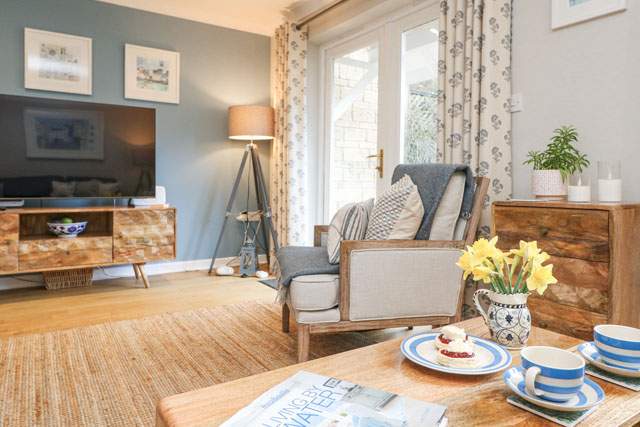
Breeze Cottage, Falmouth
Your holiday property will naturally see a high number of guests throughout the season, so it’s worth thinking about the quality and durability of your furnishings.
Buying items that are well made and can withstand heavy use will cost more in the beginning but will help you avoid spending more in the long run. Not only will they look better for longer, but won’t need replacing as often.
Maintaining your holiday home can be time-consuming and costly, but keeping it well maintained will reduce the risk of long-term damage or expensive future repairs. It pays to solve a problem immediately rather than let it get worse and potentially cost you more in the future.
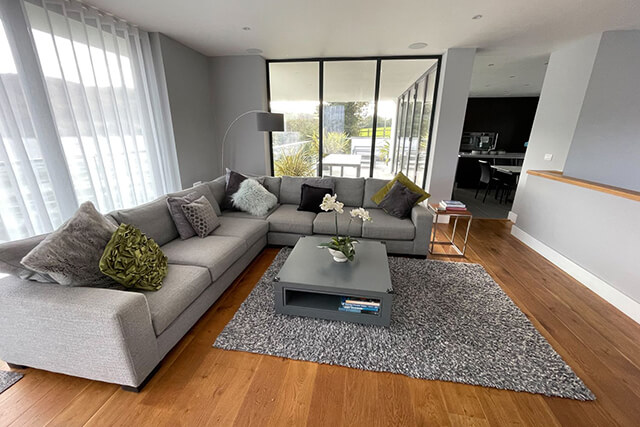
Every holiday let will vary in cost to run. The size of your property, the extras you provide and whether you outsource help will all affect your outgoings.
At Cornish Cottage Holidays, our dedicated team of local experts can help advise on holiday let costs and ensure you maximise the return on your investment. We know the key ingredients for a successful holiday let and are confident that we’ll get the best booking levels and income.
To learn more about letting with Cornish Cottage Holidays and request your FREE Owner Guide, fill in the form below. A member of our local team will be in touch to answer any holiday letting questions.
Whilst income for holiday letting can be excellent, expenses to consider include changeover costs, maintenance and property management fees. There are also bills, marketing and taxes to factor in, as well as insurance and the annual safety certificates needed to meet holiday let requirements.
According to the Sykes Cottages 2026 Holiday Letting Outlook Report, the average costs were:
Changeover costs: £1190
Property Maintenance: £1580
Bills: £2140
Marketing: £1000
Tax / Licensing fees: £1450
It’s worth noting the average holiday let income that offsets these costs – Sykes’ report found this to be £25,600.
According to the Sykes Cottages 2026 Holiday Letting Outlook Report, £25,600 was the average gross income for a UK holiday let owner in 2025 (up from £24,700 in 2024). This varies by property size and type, with 1 bedroom properties earning, on average, £16,800, and five bedroom properties earning £48,200. Farm stays also earn well, fetching £28,900 on average.
Holiday lets can be charged either council tax or business rates, depending on how they operate. If your property doesn’t meet the criteria for a self-catering business, it will fall under council tax rules. This can be costly, as some councils are introducing significant premiums for second homes. For example, from 1 April 2025, Cornwall Council will apply a 100% council tax premium to second homes that are not eligible for business rates.
To qualify for business rates in England or Scotland, your holiday let must meet specific letting criteria. If it does qualify, you may also be able to claim Small Business Rate Relief, reducing the amount you pay.
From April 2025, the Furnished Holiday Let (FHL) tax scheme was abolished, meaning owners can no longer access the specialist reliefs it provided. Holiday lets are now taxed under standard property income rules, but you can still claim a range of allowable expenses, limited mortgage interest relief, and, in some cases, Small Business Rate Relief.
To understand what the end of the FHL regime means in practice — and the taxes that still apply to holiday lets — read our full guide.
Are you in the process of looking to buy a holiday let, or do you have an existing holiday cottage to let in Cornwall? No matter where you are in your holiday letting journey, it is important to plan ahead.
For more useful holiday home owner tips, head over to our Owner Advice blog.
*Statistics from Sykes Holiday Letting Outlook report 2026
At the time of publishing Cornish Cottage Holidays has taken all reasonable care to ensure that the information contained in this article is accurate. However, no warranty or representation is given that the information is complete or free from errors or inaccuracies. Generic information is contained within this article and each individual’s tax affairs are different. Further advice should be sought from an accountant.
Please note: As a holiday letting owner you are responsible for compliance with health & safety laws, regulations and guidance, and for having suitable insurances in place (not Sykes Holiday Cottages or its brands (Sykes)). From time to time, Sykes shares information with you on the topic of health and safety and insurance. When it does so, it is not providing you with advice (legal, financial, tax or otherwise); please seek your own as you see fit. In addition, it is not making any representations or warranties about the information being complete or free from errors or inaccuracies. Sykes shall not be liable for any loss or damage arising under or in connection with your reliance on it.
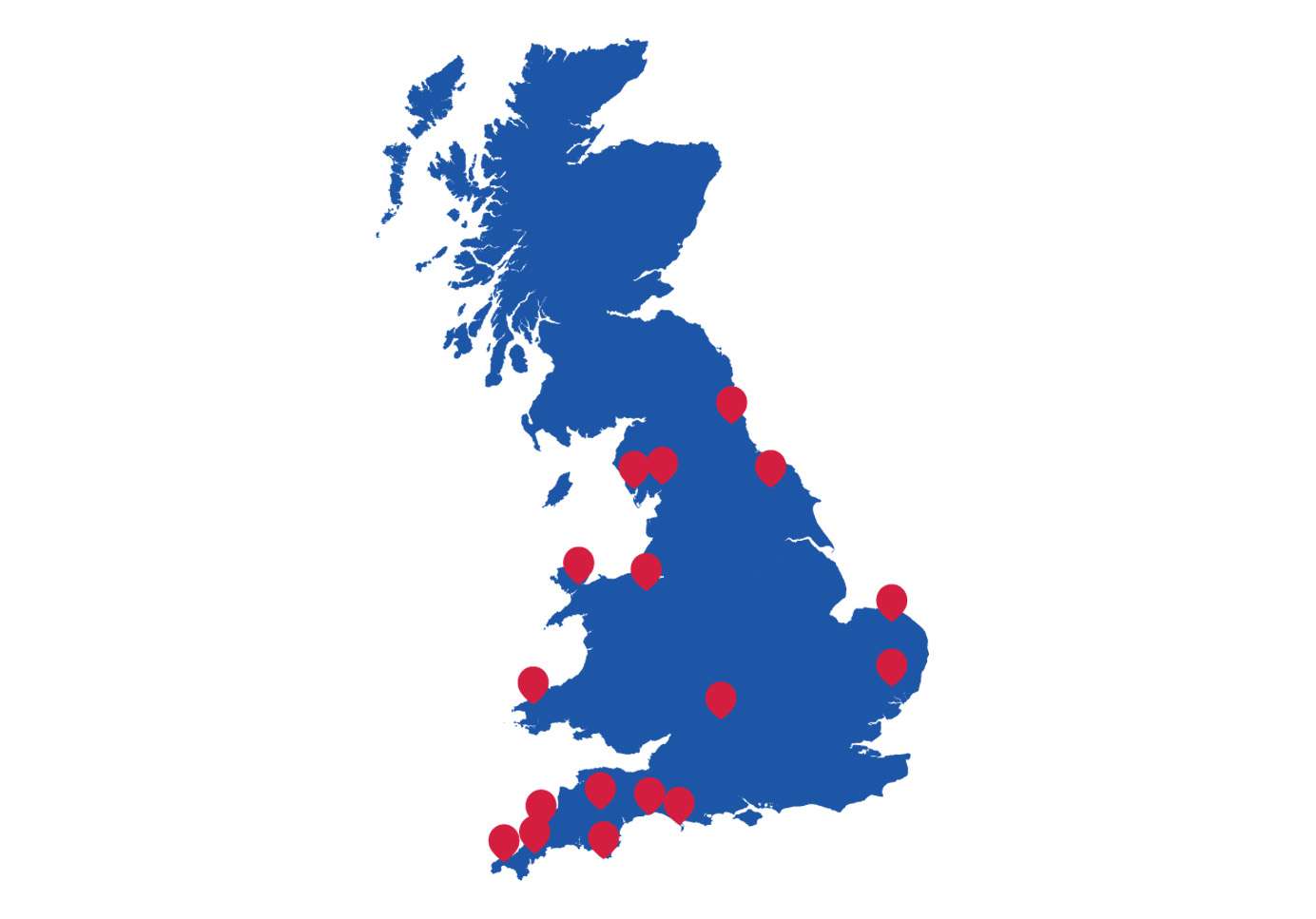
Interested in letting a property outside of Cornwall? We’re proud to be part of Sykes Holiday Cottages, with a network of regional brands offering the same award-winning service across the UK. Enquire now to be put in touch with your local holiday letting experts.

Find out how we can work together. With over 25 years’ experience, our local expertise will give you peace of mind and bring you the bookings you deserve.
by Janine de Lange / Owner

I’ve had the privilege of living in the beautiful South West since 2010, and in my opinion there’s no better place in the worl...
Read More About Author
Sign up to receive exclusive offers, competitions and the latest news to your inbox, and you'll be entered into our monthly prize-draw 3 times!
Our property expert for Cornish Cottage Holidays, Jonathan Steers, shares his many years of expertise and knowledge about buying...

In April 2025, the Furnished Holiday Let tax scheme ended. However, there are still some tax reliefs available for...

We are delighted to announce our popular Market Insights report for another year. Using data and statistics from our...

